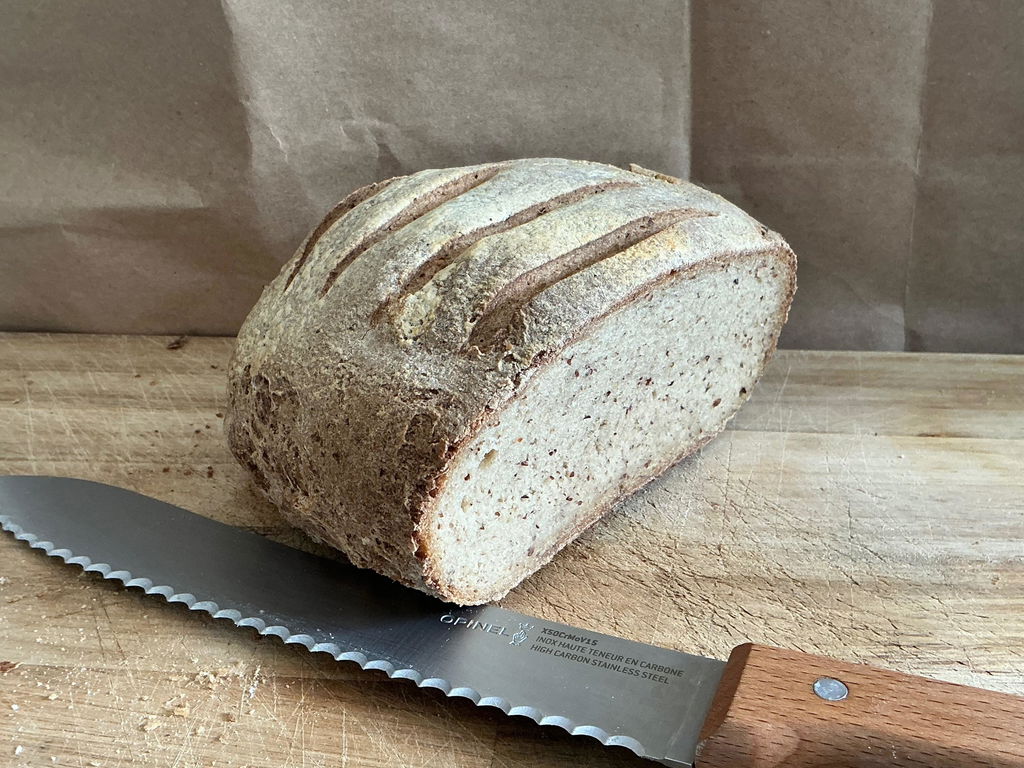
When the days grow shorter and the temperature drops, there's something deeply comforting about the warmth of a kitchen filled with the aroma of freshly baked bread. Winter and Christmas baking isn't just about creating delicious food; it’s about nurturing your soul, creating cosy moments, and finding joy in the simple, restorative process of making something with your own hands.
Why Bread Making is the Ultimate Winter Wellness Activity
The Science of Comfort Baking
Baking bread during the winter months offers genuine mental health benefits that go beyond just enjoying a warm slice. The rhythmic mixing, the mindful measuring, and the patient waiting all contribute to a meditative experience that can genuinely lift your spirits during the darker months.
The therapeutic benefits include:
-
Mindfulness in action: The process demands your full attention, pulling you away from winter worries and seasonal stress
-
Sensory engagement: The textures, aromas, and warmth engage all your senses, grounding you in the present moment
-
Achievement and pride: Watching your dough rise and transform into golden loaves provides a tangible sense of accomplishment
-
Warmth and comfort: Your oven becomes a cosy heat source, and the process literally warms your home
-
Connection to tradition: Winter baking connects us to generations of bakers who found comfort in their kitchens
The Christmas Connection
There's a reason bread features so prominently in winter celebrations across cultures. From festive sweet breads to hearty loaves shared at family gatherings, bread-making is woven into our seasonal traditions. Creating these bakes at home adds personal meaning to your celebrations and fills your home with the unmistakable scent of the holidays.
Essential Winter Bread-Making Tips
Creating Your Cosy Baking Environment
Set the mood:
-
Light candles or fairy lights to create a warm ambience
-
Put on your favourite winter playlist or festive music
-
Brew a pot of tea or mulled cider to sip while you bake
-
Clear your workspace and gather all ingredients before starting
-
Wear your comfiest apron or jumper
Managing Winter Baking Challenges
Temperature matters: Cold kitchens can slow dough's rise. Create a warm, proving environment by:
-
Placing dough near (not on) a radiator
-
Using your oven's proving function, if available
-
Warming your oven briefly, turning it off, then placing the dough inside
-
Covering dough with a warm, damp tea towel
Ingredient adjustments: Cold ingredients behave differently. Let liquids come to room temperature before mixing for better results.
Humidity control: Winter air is drier, so you may need slightly more liquid in your dough than summer recipes suggest. Add gradually and adjust by feel.
Festive & Warming Recipe Ideas
Heritage Grain Loaves for Winter Wellness
Buckwheat Bread: Earthy, nutty, and deeply satisfying, it's perfect for winter. Its robust flavour pairs beautifully with hearty soups, stews, and winter cheeses. The complex carbohydrates provide sustained energy during shorter days.
Serving suggestions:
-
Toast and top with smashed avocado and poached eggs
-
Serve alongside butternut squash soup
-
Create an open-faced sandwich with roasted vegetables and hummus
Oat Bread for Cosy Mornings: Mild, slightly sweet, and wonderfully tender, oat bread is your breakfast companion throughout winter. The beta-glucans in oats support heart health and keep you feeling full and satisfied.
Perfect for:
-
French toast with cinnamon and maple syrup
-
Breakfast sandwiches with scrambled eggs
-
Toasted with butter and marmalade
Chickpea Bread for Protein-Packed Comfort: High in protein and fibre, chickpea bread offers a satisfying, slightly savoury base for winter meals. Its golden colour and hearty texture make it ideal for substantial winter eating.
Try it with:
-
Mediterranean-style toppings (olive tapenade, roasted peppers)
-
As a base for bruschetta with winter tomatoes
-
Alongside warming curries and dahls
Festive Flavour Additions (With Premix Pairings)
You can transform your Simple Bake premixes into Christmas specials with a few simple additions. Below are suggested pairings and instructions for adding each flavour. Quantities are for one standard Simple Bake premix.
Sweet & Spiced
1. Cinnamon and raisins with a touch of orange zest. Best premix: Oat Bread Premix (also works beautifully with Buckwheat for a deeper flavour).
-
40–50 g raisins (or mixed dried fruit)
-
1–2 tsp ground cinnamon
-
Finely grated zest of 1 small orange
How to make it:
-
Prepare your premix as directed, then stir in the cinnamon.
-
Add the orange zest to the wet ingredients to evenly distribute the oils.
-
Fold in the raisins at the end, just before the final mix, so they’re evenly distributed.
-
Bake as usual. For extra Christmas magic, brush the warm loaf lightly with a mixture of orange juice and a teaspoon of honey or maple syrup.
2. Cranberries and walnuts for a festive twist. Best premix: Buckwheat or Oat Bread Premix.
-
40 g dried cranberries
-
30–40 g chopped walnuts
How to make it:
-
Mix the premix according to the packet instructions.
-
Fold the cranberries and walnuts into the dough just before it goes into the tin or final shaping.
-
Gently press a few extra walnut pieces on top for a rustic, festive look.
3. Mixed spice with dried apricots and almonds. Best premix: Oat Bread Premix (for a soft, cake-adjacent crumb) or Buckwheat for a more grown-up, earthy loaf.
-
1–2 tsp mixed spice
-
40 g chopped dried apricots
-
30 g flaked or chopped almonds
How to make it:
-
Stir the mixed spice into the dry premix.
-
Add the apricots and almonds after combining the wet and dry ingredients, folding them gently so they’re evenly distributed.
-
Sprinkle a few extra almonds on top before baking for a lightly toasted crunch.
Savoury & Warming
4. Rosemary and sea salt for an aromatic loaf. Best premix: Buckwheat or Chickpea Bread Premix, both stand up well to bold herbs.
-
1–2 tsp dried rosemary or 1 tbsp finely chopped fresh rosemary
-
1–1.5 tsp flaky sea salt (plus extra for sprinkling)
How to make it:
-
Add rosemary directly to the dry premix and mix well.
-
Prepare the dough as usual.
-
Just before baking, lightly brush the top with oil or water and sprinkle with flaky sea salt and a pinch more rosemary.
This loaf is ideal for appetisers: slice, toast, and serve with olive oil, dips, or a simple cheese board.
5. Caramelised onion and thyme for depth of flavour. Best premix: Buckwheat or Chickpea Bread Premix for a robust, savoury base.
-
1 medium onion, thinly sliced
-
1–2 tsp fresh thyme leaves (or 1 tsp dried)
-
1–2 tsp olive oil for cooking the onion
How to make it:
-
Slowly cook the sliced onion in olive oil over low heat with a pinch of salt, stirring occasionally, until golden and sweet (about 15–20 minutes). Let it cool completely.
-
Prepare your premix as directed.
-
Gently fold the cooled caramelised onion and thyme into the dough. Avoid adding any excess oil from the pan if the dough already feels soft.
-
Bake as usual. The result is a moist, flavourful bread that’s perfect with soups, stews, or as the base for grilled cheese.
6. Sun-dried tomatoes and basil for Mediterranean sunshine. Best premix: Chickpea Bread Premix (for a Mediterranean-style loaf) or Buckwheat if you want something more rustic.
-
30–40 g chopped sun-dried tomatoes (drained well if in oil)
-
1–2 tbsp chopped fresh basil or 1 tsp dried basil
How to make it:
-
Pat sun-dried tomatoes dry with kitchen paper if they’re very oily.
-
Prepare the premix following the instructions.
-
Fold in the tomatoes and basil at the end, making sure they’re evenly spread.
-
For a finishing touch, sprinkle a few tomato pieces on top before baking.
This loaf is gorgeous for antipasti boards, toasted with olive oil, or served with roasted vegetables.
Adding Toasted Seeds for Extra Crunch
Toasted seeds (pumpkin, sunflower, sesame, or a mix) work beautifully with any Simple Bake premix.
-
20–30 g mixed seeds per loaf
How to use them:
-
Lightly toast the seeds in a dry pan until fragrant, then let them cool.
-
Stir most of the seeds into the dough just before baking.
-
Reserve a spoonful to sprinkle on top of the loaf or rolls for extra crunch and a bakery-style finish.
The Weekend Baking Ritual
Creating Your Winter Baking Tradition
Consider making bread-baking your weekly winter ritual. Choose a Saturday or Sunday morning, and let the process become a cherished part of your weekend routine.
Your ritual might look like:
-
Morning preparation (9:00 AM): Gather ingredients, warm your kitchen, and put the kettle on
-
Mixing and first rest (9:30 AM): Mix your dough, then let it rest while you enjoy breakfast
-
Pan and bake (11:00 AM): Get your loaf into the oven and fill your home with incredible aromas
-
The reward (12:00–12:30 PM): Enjoy warm bread with butter, soup, or festive toppings
Sharing the Warmth
Winter baking is even more meaningful when shared. Consider:
-
Gifting loaves: Wrap fresh bread in linen tea towels and gift to neighbours or friends
-
Baking with children: Create memories and teach valuable skills
-
Virtual baking dates: Video call a friend and bake together from separate kitchens
-
Community connections: Share extras with local food banks or community centres (where appropriate)
Troubleshooting Winter Baking Blues
Dense, heavy loaves? Your kitchen may be too cold. Extend resting times or create a warmer environment.
Dry, crumbly texture? Winter air is drier. Add an extra tablespoon of water to your dough.
Pale crust? Your oven may need to preheat longer in cold weather. Add 5–10 minutes to preheat time.
Bread not setting properly? Make sure you bake for the full recommended time and let the loaf cool before slicing.
Beyond the Loaf: Winter Baking Projects
Once you've mastered basic loaves, expand your winter baking repertoire:
-
Festive bread shapes: Braided wreaths, star-shaped rolls, or Christmas tree pull-apart bread
-
Dinner rolls for gatherings: Perfect for Christmas dinner or winter dinner parties
-
Flatbreads: Quick, satisfying, and perfect for winter dips and spreads
-
Biscuits and cookies: Extend your baking joy with festive treats (gingerbread, anyone?)
The Simple Bake Approach to Winter Wellness
Making bread from scratch doesn't need to be complicated or intimidating. With quality premixes made with organic, heritage grains, you can focus on the therapeutic, joyful aspects of baking rather than worry about complex measurements and techniques.
The beauty of premixes:
-
Consistent, reliable results every time
-
More time for the mindful, meditative parts of baking
-
Perfect for beginners, building confidence
-
Ideal for experienced bakers wanting convenience without compromise
Your Winter Baking Journey Starts Now
This winter, instead of hibernating through the dark months, embrace the warmth, comfort, and joy of bread-making. Let your kitchen become your sanctuary, where the simple act of mixing and baking transforms not just flour into bread, but winter blues into cosy contentment.
The therapeutic rhythm of bread-making, the warmth radiating from your oven, the incredible aroma filling your home, and the satisfaction of slicing into a loaf you've created yourself, these are the simple pleasures that make winter not just bearable, but genuinely beautiful.
So gather your ingredients, warm your kitchen, and let the healing power of bread-making carry you through the season. Your winter wellness journey begins with a single loaf.
Happy baking, and may your winter be filled with warmth, comfort, and the irresistible aroma of fresh bread.